There are certain kinds of exhaustion that sleep does not entirely resolve, and I think I have spent the better part of the last few years misunderstanding my own tiredness, assuming it was physical when in reality much of it has been emotional, the kind that accumulates quietly over time through responsibility, disappointment, constant adaptation, and the slow, almost imperceptible process of carrying oneself through life without ever fully realizing how heavy that becomes until there is finally enough silence to notice it.
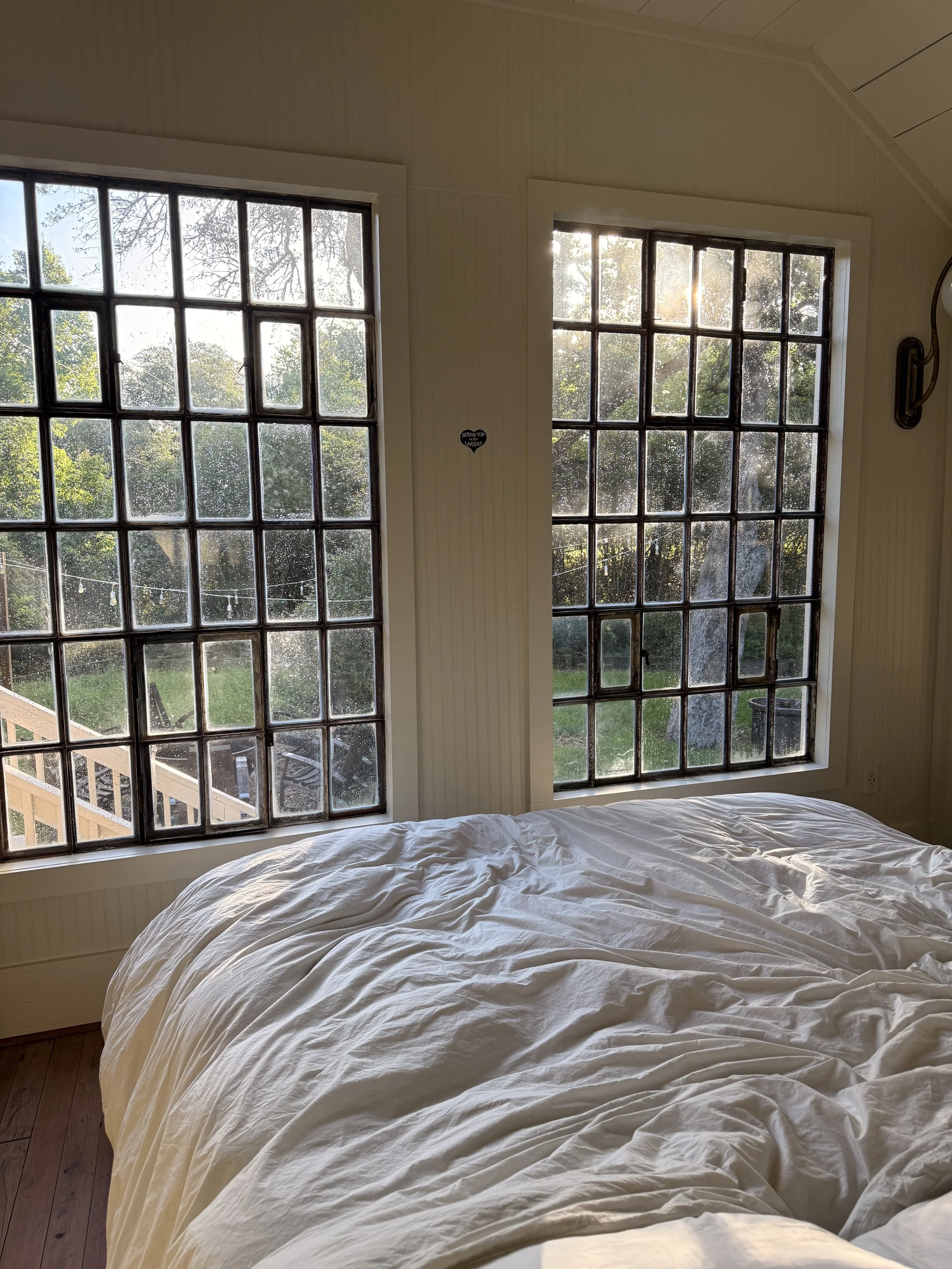
The boys went with their dad yesterday morning and after they left, I crawled back into bed and slept for a few more hours, not because I necessarily needed more sleep in the traditional sense, but because for the first time in a while there was no immediate demand waiting for me, no schedule to follow, no one needing something from me at that exact moment, and I think my body recognized the absence of urgency before my mind did.
And then, as it often does, the quiet made room for thought.
Not dramatic thoughts, not catastrophic ones, but the kind that arrive slowly and sit heavily beside you once you are finally still long enough to acknowledge them. Thoughts about relationships, loneliness, family, the choices we make, the examples we are given, and the strange realization that a person can be surrounded by people and still feel emotionally unheld in some fundamental way.
I have been thinking lately about how much of adulthood is shaped not only by the decisions we consciously make, but by the emotional patterns we inherit long before we are old enough to recognize them as patterns at all. The older I get, the more I understand that people often spend years attempting to recreate what felt familiar to them emotionally, even when what felt familiar was inconsistent, withholding, critical, or emotionally unstable. We speak often about “bad choices” as though choices exist in isolation, detached from upbringing, attachment, example, or emotional conditioning, when in reality most people are navigating relationships with tools they did not build themselves.
And I think there is grief in recognizing that.
Not grief in the sense of self-pity, but grief in understanding that there are certain emotional foundations a person realizes they needed only after spending years without them.
I have spent a lot of time lately thinking about what it means to feel emotionally safe with another person, because I am not entirely sure I have experienced that in the way I once imagined I eventually would by this stage of life. Not simply romantic love, because romance by itself has never seemed particularly difficult to find, but steadiness, gentleness, emotional consistency, the quiet assurance of knowing someone sees your sadness before it reaches the point of collapse, the feeling of being cared for without first having to justify why you deserve care in that moment.
And perhaps what has affected me most recently is the realization that I do not entirely know what it feels like to lean fully on another person emotionally without immediately considering whether I am becoming too much for them in the process.
I think many women become extraordinarily skilled at carrying themselves because at some point they learn, either directly or indirectly, that vulnerability must be carefully managed, softened, minimized, or delayed in order to remain acceptable to others. So they adapt. They become competent, composed, resilient, dependable, and emotionally self-sufficient, often to the extent that the people around them stop recognizing that beneath all of that capability is still a person who wants softness too.
Someone who wants to be comforted without asking.
Someone who wants to feel chosen consistently rather than conditionally.
Someone who wants to stop confusing survival with strength.
The difficult thing about loneliness is that it is not always the absence of people. Sometimes it is simply the absence of emotional refuge.
And while I do not have neat conclusions for any of this yet, I think I am beginning to understand that there is a difference between building a life that appears functional from the outside and building one that actually feels emotionally sustainable from within. Those are not always the same thing, and I suspect many people quietly realize this somewhere in the middle of adulthood, usually during an ordinary moment, usually in silence, usually when life finally becomes still enough for them to hear themselves think.
But despite all of this, despite the heaviness of certain realizations, I still find myself returning to the same thought repeatedly, which is that I want something gentler for my boys. Not perfection, not an idealized childhood untouched by disappointment, because no such thing exists, but emotional steadiness, openness, warmth, and the kind of love that does not make a person question whether their feelings are inconvenient.
And perhaps that is where healing begins for many people, not in rewriting the past, but in refusing to replicate it.